
Most glasses are made to solve a problem. They help someone see better, protect their eyes from the sun, or finish off an outfit for the day. Collectable eyewear does more than that. It stays with you. It feels worth noticing, worth remembering, and worth keeping long after the practical need has been met.
That does not always come down to price. It does not always come down to rarity either. Some frames become collectable because they are beautifully made. Some because they are handmade in a way that gives them life. Some because they were produced in small numbers and will not be made again. Some because they look unlike anything else on the market. More than anything, the frames that stay with people usually carry a story that gives them shape and meaning.
Craftsmanship Can Make Eyewear Collectable
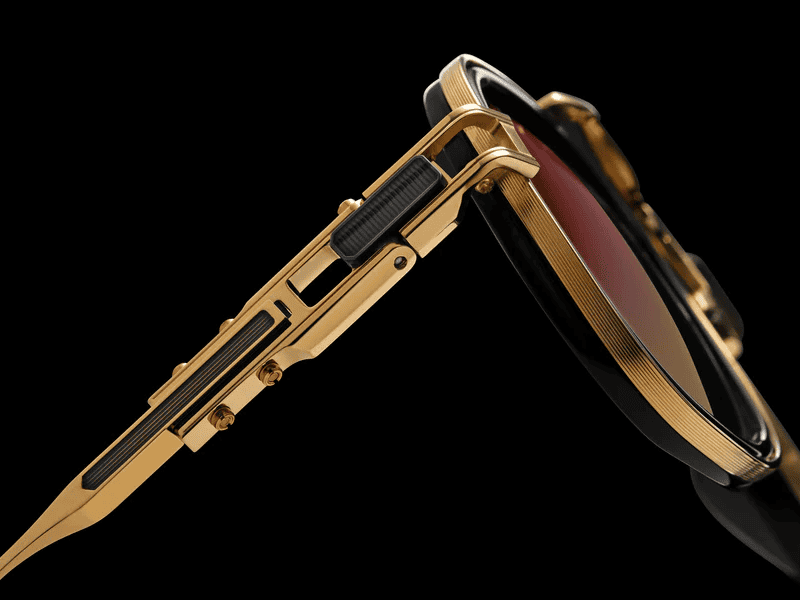
One of the clearest signs that a frame is worth collecting is craftsmanship. Even people who do not speak in technical terms can usually feel when a frame has been made with care. The lines are cleaner. The finishing looks sharper. The proportions feel more resolved. The hinges, hardware, and every element has been made with intention.
When a frame has been executed well, there is more to notice over time. The polish, the cut of the acetate, the sculpting of the temples, the small details around the rivets or the bridge all begin to matter. That is part of what makes collecting different from simple buying. A collector does not just want a frame that works. A collector wants a frame that holds attention.
Truly Handmade Eyewear is Collectable
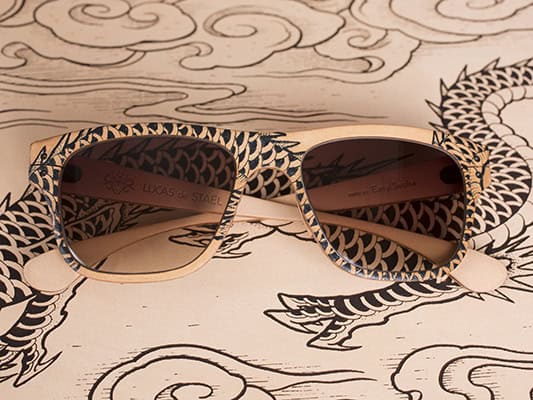
Handmade eyewear holds a different kind of appeal. That word gets used too freely, but when it is real, it still means something. A handmade frame means that skilled hands shaped the final object, not just automated processes. It carries more meaning because of that.
This does not mean handmade eyewear should look rough or imperfect. The appeal is not in inconsistency. The appeal is in the sense of care behind the object. A handmade frame feels closer to design, craft, and material. It feels less anonymous.
That difference matters in collectable eyewear because collecting is partly about connection. People are drawn to objects that feel like they were made with conviction. A handmade frame often has that quality. It feels like someone took the time to get it right.
Eyewear That is Limited can be Collectable
Limited edition releases play a big role in collectable eyewear, and for good reason. Scarcity changes the way people look at an object. A frame produced in small numbers feels more distinct from the start. It belongs to a specific release, a specific moment, and often a specific idea.
That said, limited numbers alone do not make a frame worth collecting. Scarcity is not enough by itself. A weak design does not become meaningful just because only fifty were made. The frame still has to deserve the attention.
Collectable Eyewear is Unique
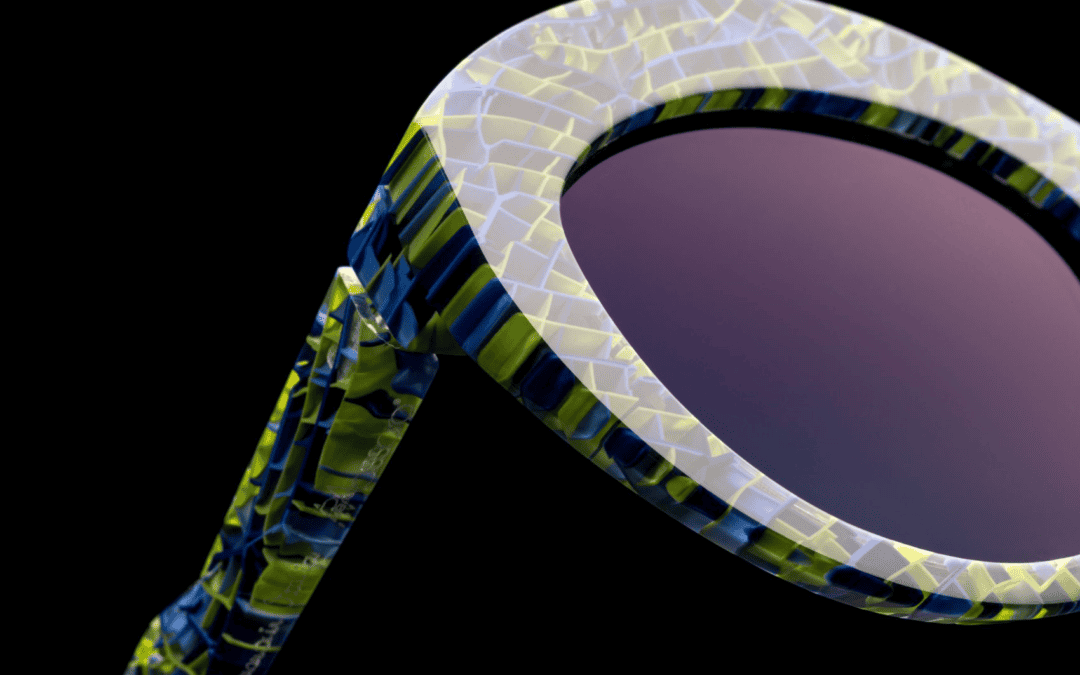
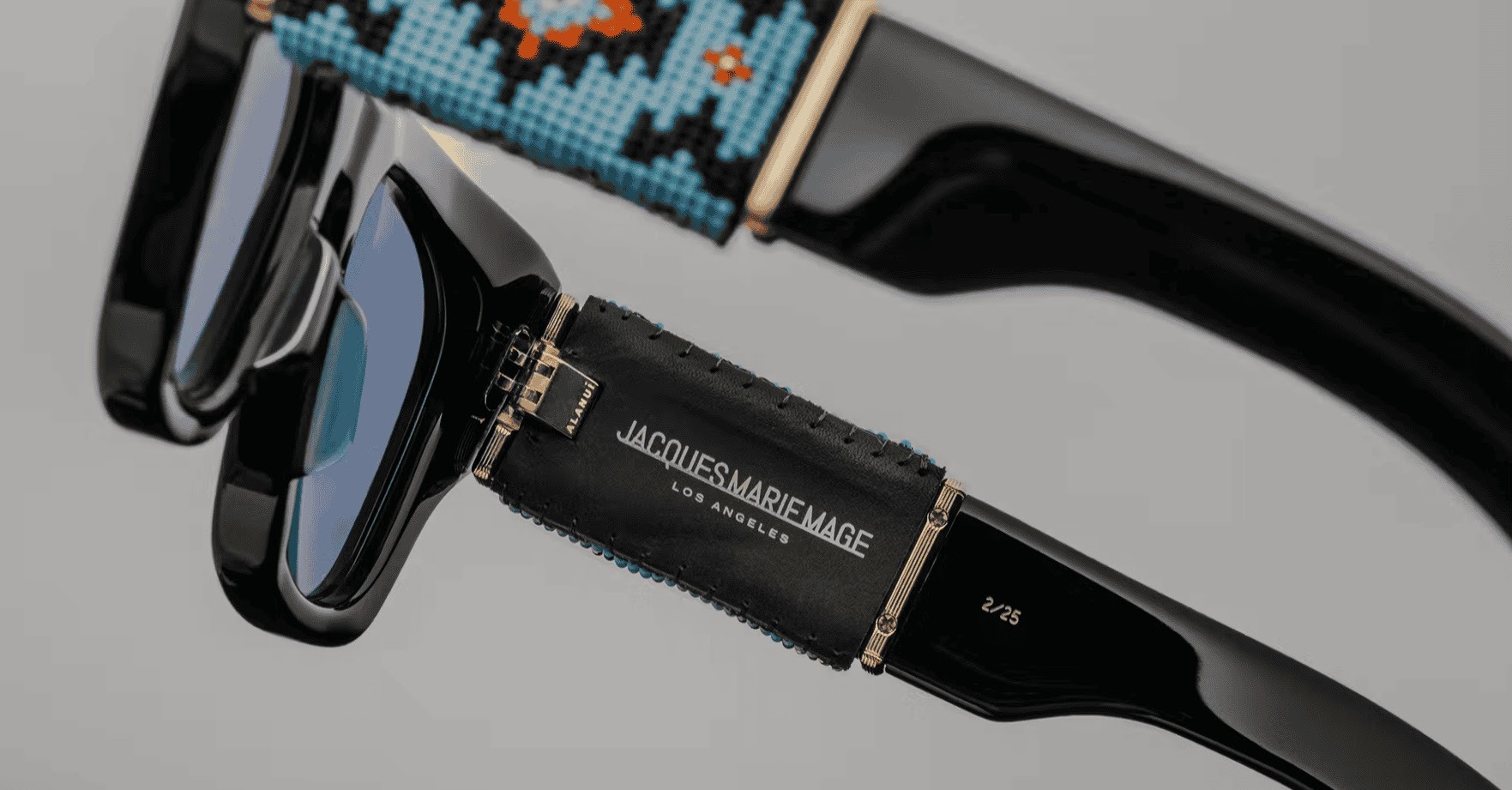
Collectable eyewear usually has something distinct about it. Sometimes it is the shape. Sometimes it is the material. Sometimes it is a bold use of color or a detail that most brands would never attempt. Whatever form it takes, the frame does not feel like a softened version of something already seen a hundred times before.
That sense of difference matters. People collect objects that carry their own point of view. A frame may still be beautiful without being especially unique, but it is harder to become truly collectable if it blends too easily into everything around it.
Story is What Makes Eyewear Remarkable and Collectable
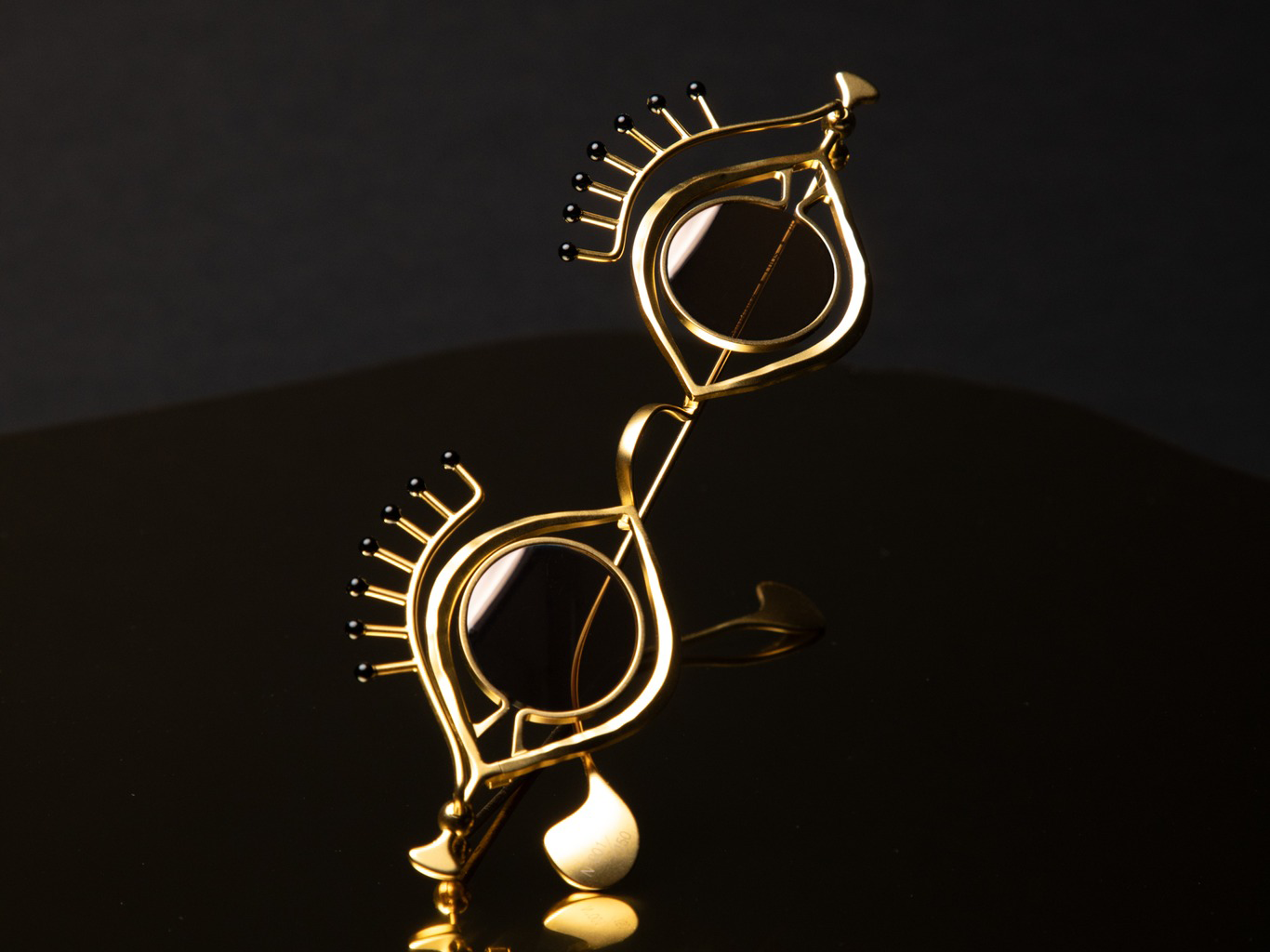
More than anything else, story is what turns eyewear into something people want to collect.
A frame can be well made. It can be handmade. It can be limited and visually striking. But story is often what gives it emotional weight. Story gives context to the shape, the materials, the release, and the brand behind it. It gives people a reason to care about more than the surface.
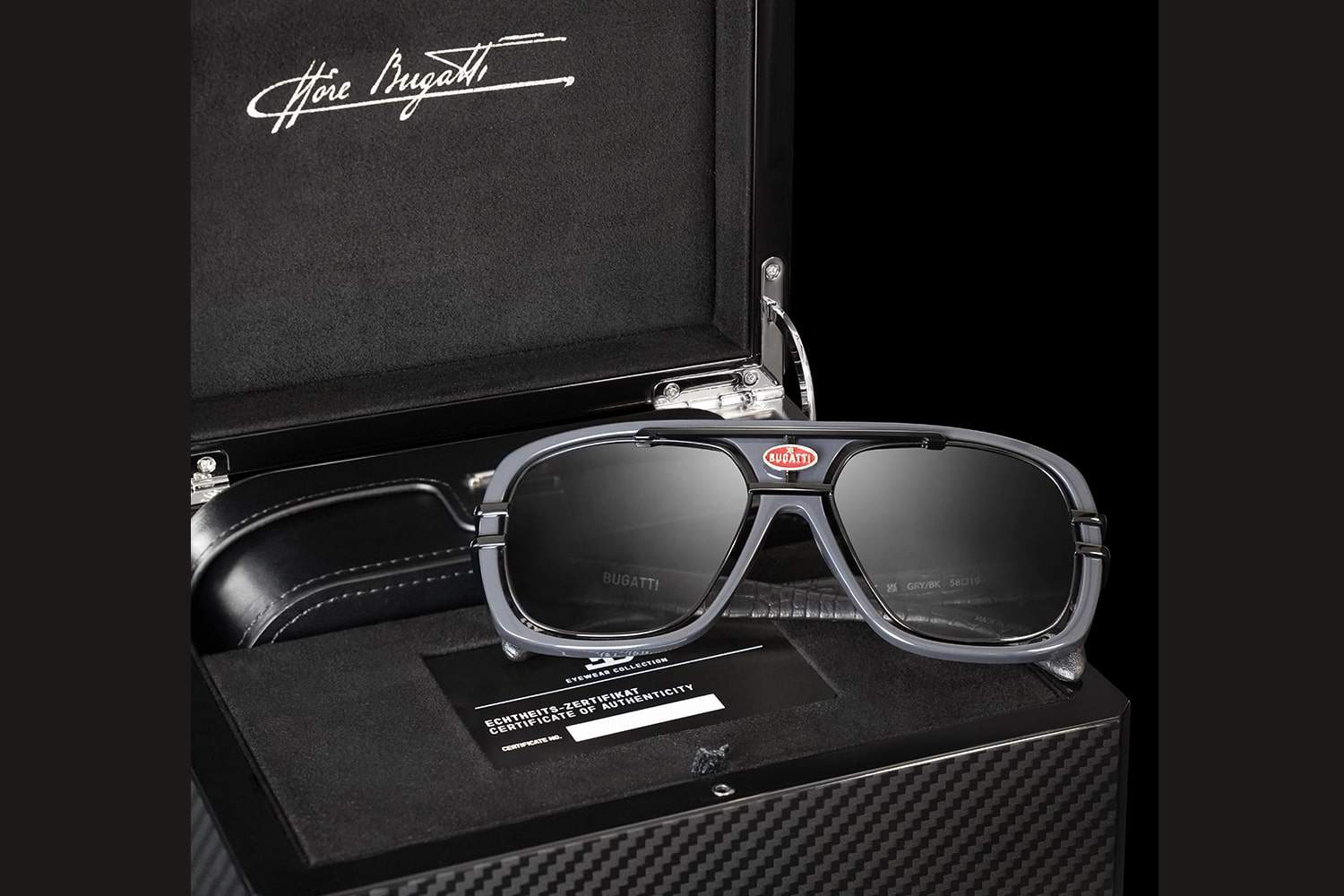
That story can come from many places. It may come from a brand’s history. It may come from a place, a period in design, a collaboration, a cultural reference, or the ideas that shaped the frame in the first place. Sometimes the story is built into the presentation, the naming, and the packaging. Sometimes it is quieter and lives in the way the object has been designed.
The strongest collectable eyewear usually feels shaped by story from the beginning. The story is not pasted on afterward. It is already there in the frame itself. You can see it in the choices that were made. That is when a frame starts to feel like more than a product. It starts to feel like an object with identity.
If You Like The Glasses, Then They are Worth Collecting
For all the qualities people point to when they talk about collectable eyewear, there is still one truth that matters just as much. Sometimes a frame is worth collecting simply because you like it.
That may sound too simple, but it is not. Collecting is personal. Not every frame needs to be rare. Not every piece needs to come with a grand backstory. Not every pair needs the approval of other collectors. If a frame speaks to you, that matters. If you keep thinking about it, that matters. If you want to own it because it feels right to you, that matters too.
In some ways, this is the most honest part of collecting. A frame can check every box and still do nothing for the person looking at it. Another frame may break a few of the usual rules and still feel impossible to forget. That personal response is not a lesser reason. It is often the real reason.
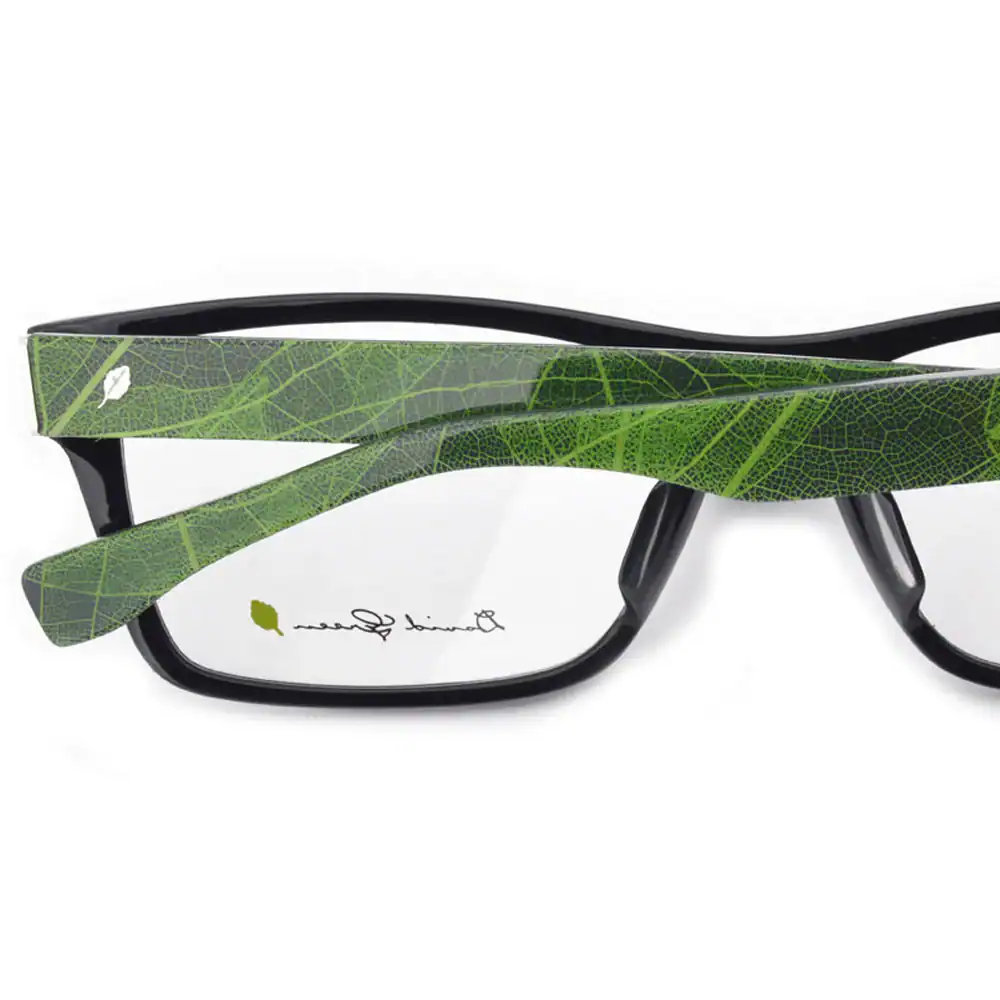
Discover independent eyewear with Project Spex. Every Friday, we deliver the latest in collectible eyewear and your favorite independent designers.
Sign up now and never miss a thing!
About The Author:

Will Benjamin is an advocate for independent eyewear and one of the driving forces behind Project Spex. With a passion for unique, collectible, and limited-edition eyewear, Will aims to inspire people to build their own collections through Project Spex, while supporting the success of independent opticals.